
Dealing with crowding that's worsened since your teenage years? Dentist Open Now finds a University, MS specialist who handles this specific case regularly and has room to see you.
One call tells you exactly when and where you can be seen for this.
+1-866-227-2801
Clear aligners move teeth through a series of custom trays, each one nudging your bite slightly closer to its final position than the last. A digital scan replaces the old impression goop, mapping your teeth in minutes and generating a preview of the full treatment before you agree to anything.
Mild-to-moderate crowding and spacing respond well to aligners; more complex bite corrections may still call for traditional brackets. Unlike fixed braces, results depend on actually wearing the trays as prescribed, not just owning a box of them.
Attachments — small tooth-colored bumps bonded temporarily to certain teeth — give the aligner extra grip for harder movements like rotations. That planning happens upfront, so you know from day one which stages include attachments.
Intraoral scanners replace the old goopy impressions for a faster, more accurate starting point.
You see a simulation of your projected final smile before ordering a single tray.
If teeth need extra adjustment partway through, that's typically already accounted for in the plan.
Flexibility comes with responsibility — consistent wear is what keeps the timeline on track.
Whatever the specifics of your case, the specialist we route you to has handled it before.
Your provider walks through the simulated movement stage by stage during the consult.
Crowded front teeth are one of the most common cases aligners successfully resolve.

Spacing between teeth closes gradually through calibrated pressure across successive trays.
Mild bite discrepancies can often be corrected with aligners paired with small attachments for grip.

Small tooth-colored attachments give the aligner extra leverage on harder-to-move teeth.
Fitted immediately after the final tray to prevent teeth from drifting back.
A coordinator answers and asks a few quick questions about your specific case and how urgent it is.
Based on your case and location in University, MS, we find a provider with room on the schedule soon.
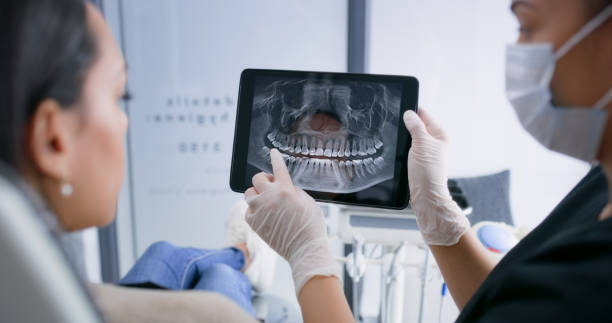
The specialist examines your case, often with same-visit imaging, and gives you a cost estimate before starting anything.
You leave with the issue addressed and next steps already scheduled if needed.
"Explained every step and the cost before doing anything. First visit that didn't feel rushed."
"Didn't have to wait weeks like my old dentist. Got routed straight to a specialist who knew what to do."
"No upsells, no pressure. Just the treatment I needed at the price I was told upfront."
Most cases run six to eighteen months depending on how much correction is needed.
Some pressure is normal with each new tray, but it tends to be less intense than wire adjustments.
Consistent wear in that twenty-to-twenty-two-hour range is what keeps treatment on schedule.
Crowns and fillings don't automatically rule you out; the simulation accounts for them.
Depending on your stage, moving to the next tray or getting a replacement made are both options.
Cost is often comparable to braces and depends on case complexity, with a written estimate given upfront.
Our coverage spans University and its surrounding area, matching you with the closest available specialist who's actually open.
Every provider in our MS network carries an active, checked license.
Call now and a coordinator matches you with an open specialist and a confirmed time.
Call +1-866-227-2801 Now